EnterprisePricing

.svg)
Noloco
vs

Softr
Noloco vs. Softr:
Which is the Right Choice for You?
For teams that have outgrown Softr’s template approach and need a fully custom app with row-level permissions, multi-source data, and predictable pricing.
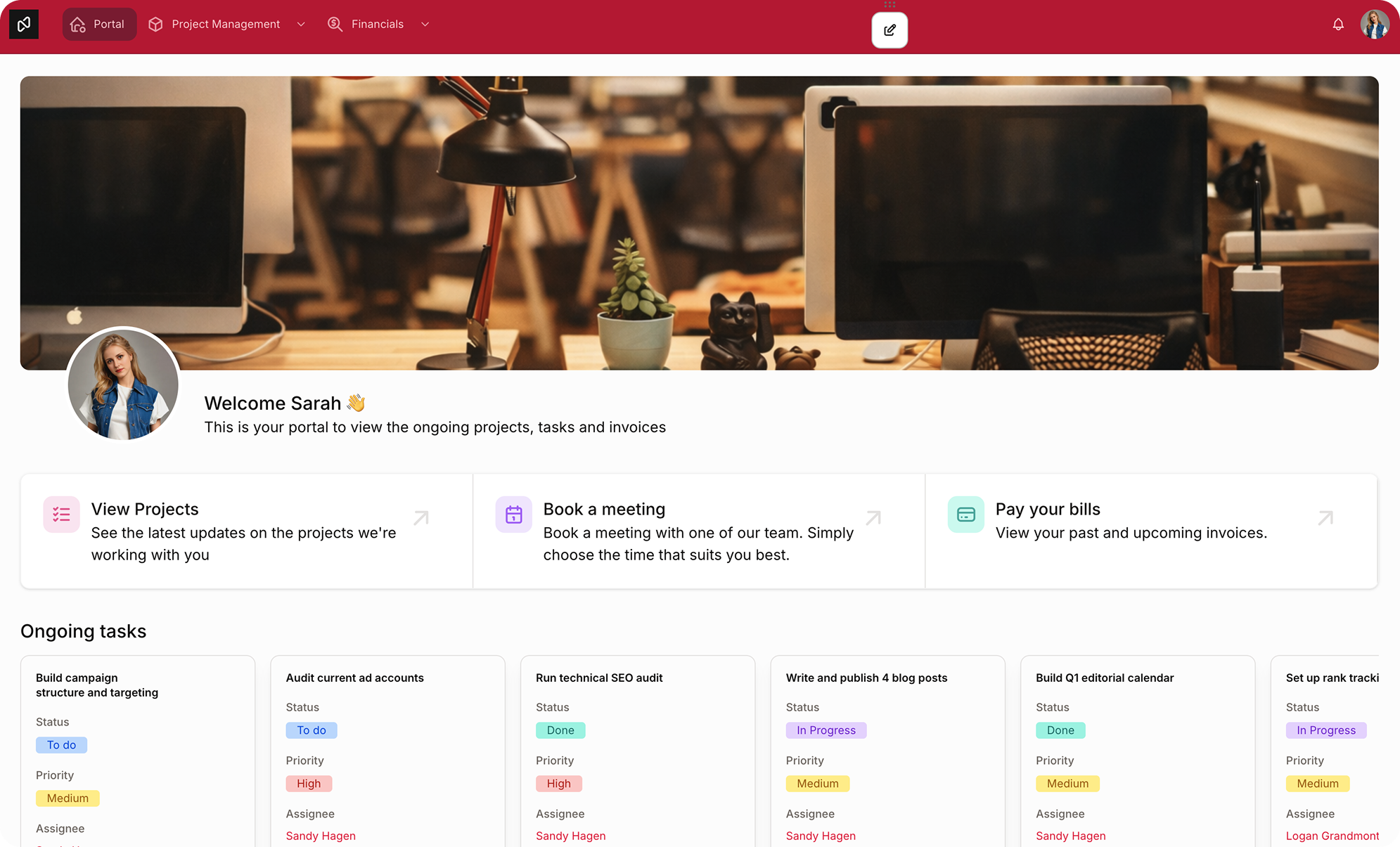
Noloco vs. Softr at a glance
.svg)
Noloco
Softr
Noloco

Advanced dynamic apps
Built for complex data architectures
Scalable permissions and workflows
Powerful automation and custom logic
Softr

Template-driven portal and app builder
Better for simpler data setups
More manual permission setup
Easier to start, less flexible at scale


Which tool best fits your needs?
Noloco is ideal for those who need advanced customization and control,
while Softr is perfect for a template-rich experience.
while Softr is perfect for a template-rich experience.
Noloco
Softr
Ease of use

Streamlined for experienced users
looking for advanced functionality.
looking for advanced functionality.


Perfect for beginners with
simple drag-and-drop tools.
simple drag-and-drop tools.
Softr
Customization
Highly customizable with full control
over app design and functionality.
over app design and functionality.
Limited customization, more focused on templates and pre-built elements.
Feature comparison
There’s a lot to love about Noloco and Softr. To really grasp the
differences between them, let’s compare their features side by side.
Here's a deeper look at how they stack up:
differences between them, let’s compare their features side by side.
Here's a deeper look at how they stack up:
FEATURE
Noloco
Softr
Custom Integrations

Advanced integrations (Zapier, APIs, etc.)

Limited integrations
Ease of Use
Medium (for tech-savvy users)
Very Easy (drag-and-drop)
Scalability
Highly scalable for teams
Best for small projects
Pricing Model
Subscription-based, flexible (add users 1 by 1)
Subscription-based, less flexibility
Don't take our word for it
Trusted by over 1,000 teams and counting...


How Noloco and Softr
solve your problems
.svg)
Building internal tools and apps
Need a powerful internal tool like a CRM, client portal, or operations app? Noloco gives you advanced workflows, permissions, and database flexibility. Softr is often a better fit for simpler portals and lightweight apps.
.svg)
Data integrations
Noloco connects directly to PostgreSQL, MySQL, Xano, Airtable, Google Sheets, REST APIs, and more, making it a strong choice for businesses with complex data workflows. Softr supports several popular data sources too, but Noloco offers more flexibility for advanced app architectures.
.svg)
Customization and flexibility
Noloco gives you deep control over workflows, permissions, layouts, and data logic. Softr is faster to get started with thanks to its template-first approach, but offers less flexibility for complex use cases.
.svg)
User roles and permissions
Noloco makes it easier to manage complex user roles and permissions across large apps. Softr supports permissions too, but configuring granular access can become harder to manage as apps grow.
.svg)
Ease of use
Softr is extremely beginner-friendly and great for getting simple apps live quickly. Noloco speeds things up by auto-generating pages and forms, and automates much more of the heavy lifting once your workflows become more complex.
.svg)
Scalability and pricing
Want a plan that grows with your business? Noloco offers flexible user limits and data capacity. Softr starts off cheap, but has stricter limits and requires costly upgrades as your business expands.
How to get started in four simple steps
.png)
Start your free trial
Sign up in seconds, no credit card required. Tell Noloco what you're building, or let the AI generate a starting point for you.
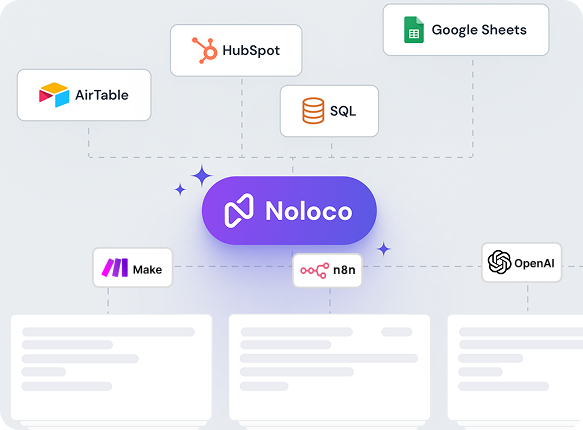
Connect your data source
Connect your data from Airtable, Google Sheets, or any supported source. Noloco syncs it in real time and builds your pages automatically.
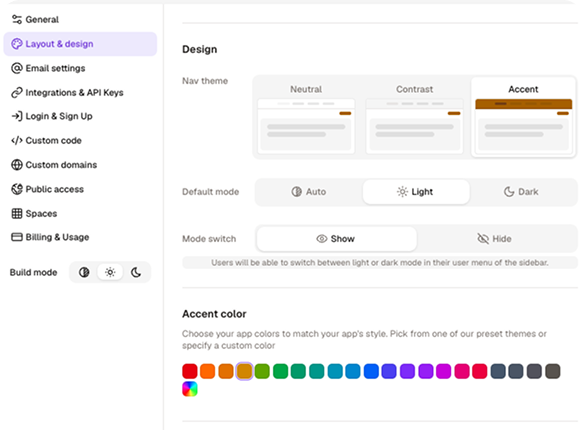
Customize your app
Add your logo, set your colours, configure what each user can see and do, all without writing a single line of code.
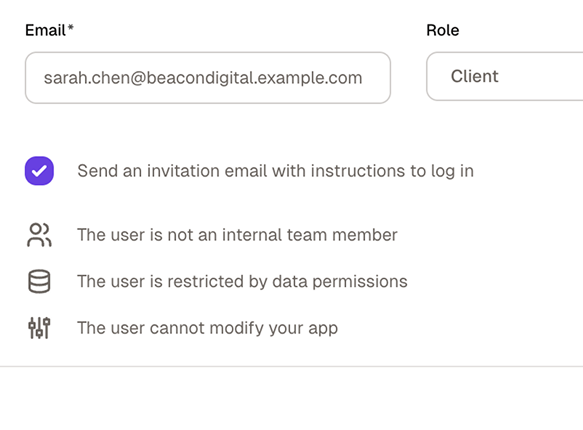
Invite your team and clients
Assign roles, publish your app, and share it with your team or clients.
They log in to their own tailored view — you stay in control.
They log in to their own tailored view — you stay in control.
No credit card required
Still have questions?
Here are the ones we hear most.
What’s the main difference between Noloco and Softr?
+
-
Noloco and Softr are both no-code platforms for building internal tools, client portals, and business apps.
Softr is often preferred for quickly launching simple portals and websites, while Noloco is better suited for operational apps with advanced workflows, permissions, and database flexibility.
Is Softr easier to use than Noloco?
+
-
For getting something basic live quickly, yes — Softr's block-based editor is generally faster for beginners getting started with simple portals and lightweight apps.
Noloco has more configuration upfront, but auto-generates pages from your data source to give you a head start. Most non-technical teams are comfortable building in Noloco within a day. It also offers more flexibility and automation capabilities, which can make it a better long-term fit for more complex business workflows.
How does Noloco's pricing compare to Softr?
+
-
The key difference as you grow is that Softr gates several features (SQL database connections, custom code, higher API limits) behind significantly more expensive tiers, while Noloco's core features are more consistently available across plans.
For teams with external users, Noloco includes them in plan pricing; Softr charges per external user above a small allowance on higher plans.
Can I try Noloco before paying?
+
-
Yes, of course! Noloco offers a 14-day free trial with no credit card required, giving you full access to workflows, automations, custom branding, and all data connectors. At the end of the trial you choose a paid plan or downgrade to a limited free tier.
While Softr has a permanent free plan, it has strict limitations when it comes to user access and features.
Can Noloco connect to external databases?
+
-
Yes. Noloco supports integrations with PostgreSQL, MySQL, Airtable, Google Sheets, Xano, REST APIs, and other external data sources, making it a strong option for businesses with more advanced data architectures. You can even combine multiple data sources in the same app!
Which tool has better mobile support?
+
-
Noloco generates a fully responsive PWA that can be installed to the home screen on iOS and Android, behaving like a native app. Softr apps are responsive and work on mobile browsers but don't support PWA installation.
For teams where mobile is a primary access point, Noloco's experience is more complete.
Is Noloco more customizable than Softr?
+
-
In many cases, yes. Noloco provides deeper control over layouts, workflows, permissions, and data relationships, while Softr focuses more on speed and template-based app building.
Who should choose Noloco over Softr?
+
-
Noloco is often the better choice for teams building operational software with complex workflows, external users, relational databases, and advanced permissions. If you need a scalable business app rather than a simple portal, Noloco is usually the stronger fit.
Why do teams switch from Softr to Noloco?
+
-
The most common reasons we hear:
- They've hit the limits of Softr's template structure and need a layout or flow it can't support
- They need row-level or field-level permissions for genuine per-user data isolation
- They need direct SQL database connections without upgrading to Softr's most expensive plan
- Per-external-user pricing on Softr is adding up as their user base grows
Experience a powerful, all-in-one platform.
Stop jumping between your data, your automations, and your app, and experience an all-in-one platform .